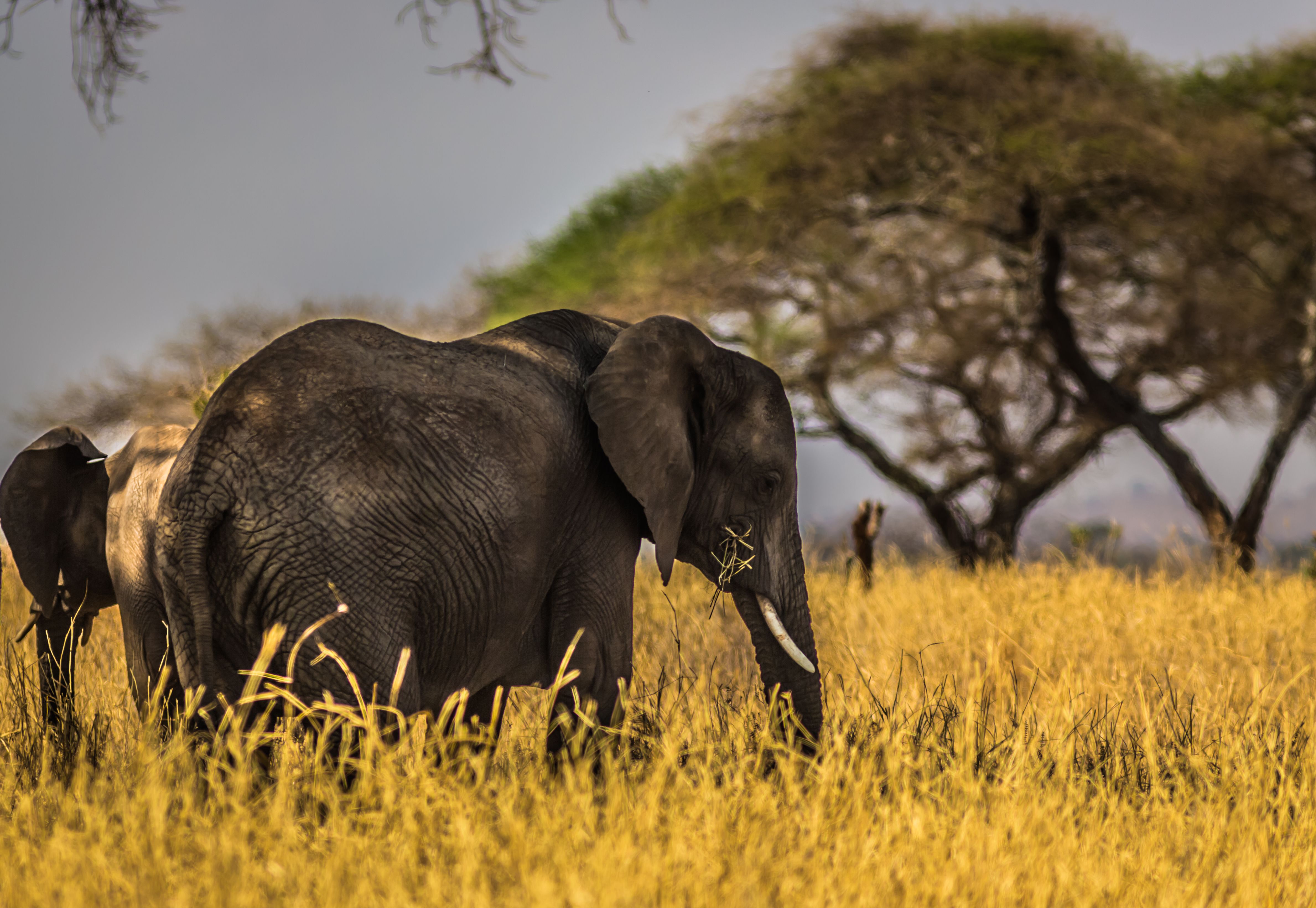
Tarangire National Park landscape with elephants walking past ancient baobab trees at golden hour
Tarangire National Park

Tarangire Elephant Safaris, Baobab Landscapes & Quiet Game Drives

Discover Tarangire — peaceful, scenic, and full of character. Ancient baobab trees, massive elephant herds, golden landscapes and a quieter safari atmosphere make it a beautiful choice for travelers who want wildlife without the crowds. Perfect as the opening or closing chapter of a northern Tanzania circuit.

Tarangire Travel Guide

Why Tarangire Is Elephants, Baobabs and Quiet Safari Magic


Tarangire is the park that experienced safari travelers often call their favourite. It does not have the Serengeti's name recognition or the Ngorongoro's drama, but what it offers is something rare in modern safari travel — a sense of quiet, space and unhurried wildlife viewing in a landscape that feels deeply, authentically African.

Tarangire is peaceful, scenic, and full of character. Its baobab trees, elephant herds, golden landscapes, and quieter safari atmosphere make it a lovely choice for travelers who want beauty without rushing. It pairs beautifully with Ngorongoro, Lake Manyara, and the Serengeti.

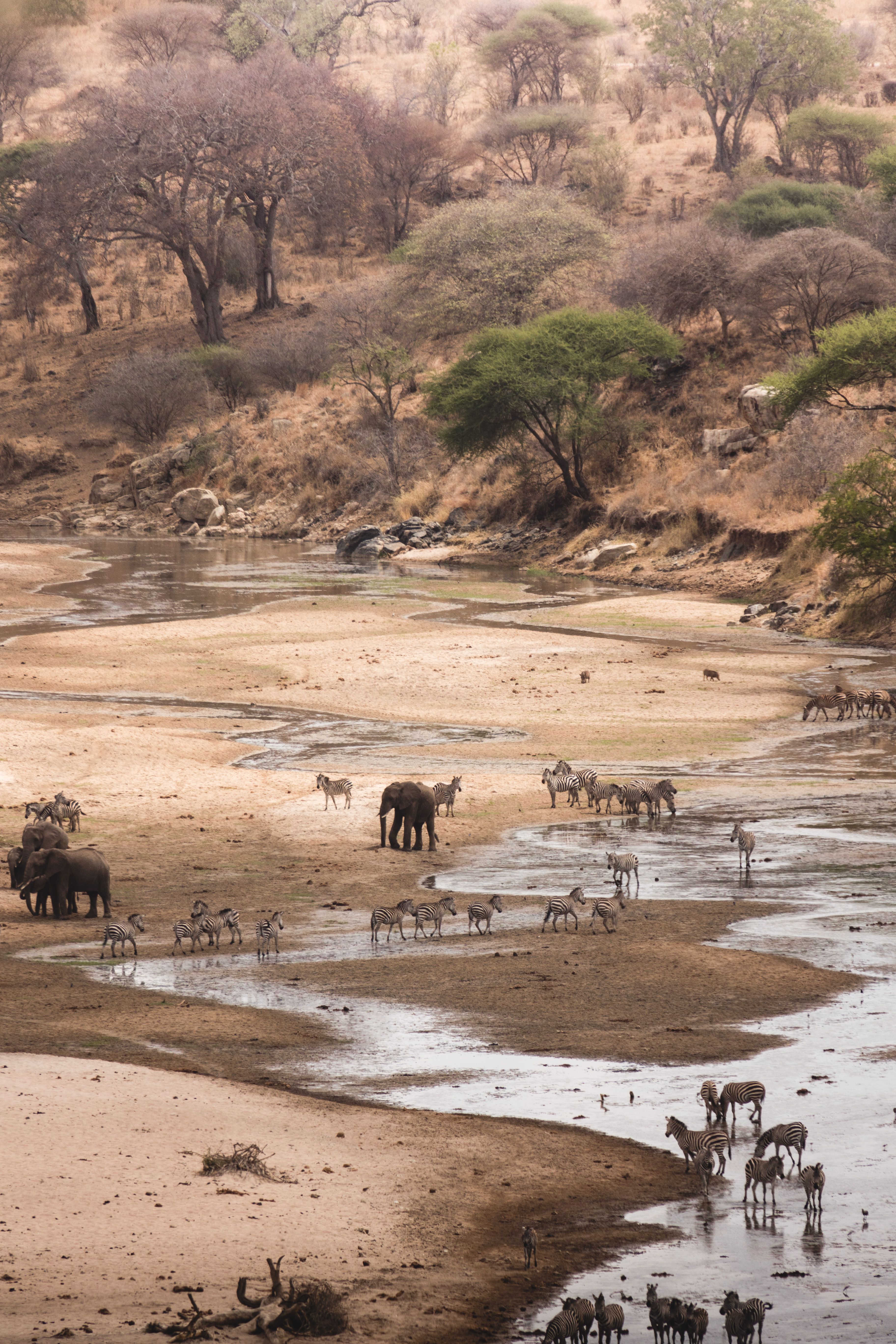
The park's signature is unmistakable — ancient baobab trees, some over a thousand years old, stand like silent guardians across the rolling savannah. During the dry season from June to October, the Tarangire River becomes the region's only permanent water source, drawing enormous numbers of wildlife into the park. Elephant sightings here are among the best in Africa, with family herds of 50 or more animals a common sight.

For travelers building a northern Tanzania circuit, Tarangire is a natural first stop or final chapter. It sits just two hours from Arusha, making it an easy start before heading to Lake Manyara, Ngorongoro and the Serengeti, or a gentle, beautiful finish before flying home. Its quieter atmosphere also makes it an excellent choice for families, photographers and anyone who prefers a slower safari pace.

Quick Facts

Plan a Better Tarangire Visit

Use these essentials to understand how Tarangire fits your Tanzania safari route and timing.

Trip style

Quiet game drives with exceptional elephant viewing, scenic baobab landscapes and luxury tented camp stays
Best for

Elephant lovers, families, photographers, first-time safari travelers and anyone who prefers a calmer, less crowded park

Best time to visit

June to October for peak wildlife concentrations along the Tarangire River. Green season is quieter and beautifully scenic.

Park size

2,850 square kilometres of rolling savannah, riverine woodland, swamps and iconic baobab-dotted landscapes

Elephant herds

Home to some of Tanzania's largest elephant populations. Herds of 50-300 elephants gather along the river in dry season.

Bird species

Over 550 recorded bird species, including endemic yellow-collared lovebirds, hornbills and vibrant lilac-breasted rollers

Why Travelers Choose Tarangire

Tarangire Safari Highlights

These are the main reasons travelers search for Tarangire and choose it for a tailor-made Tanzania safari.

  • See some of the largest elephant herds in Tanzania — family groups of 50 to 300 animals during dry season.
  • Photograph ancient baobab trees that have stood for over a thousand years against golden savannah skies.
  • Enjoy a quieter, less crowded safari experience compared to the Serengeti and Ngorongoro.
  • Spot big cats, wild dogs, kudu, oryx and over 550 bird species in a compact, scenic setting.
  • Start or finish a northern Tanzania circuit with an easy two-hour transfer from Arusha.
  • Stay in luxury tented camps that blend seamlessly into the baobab-dotted landscape.
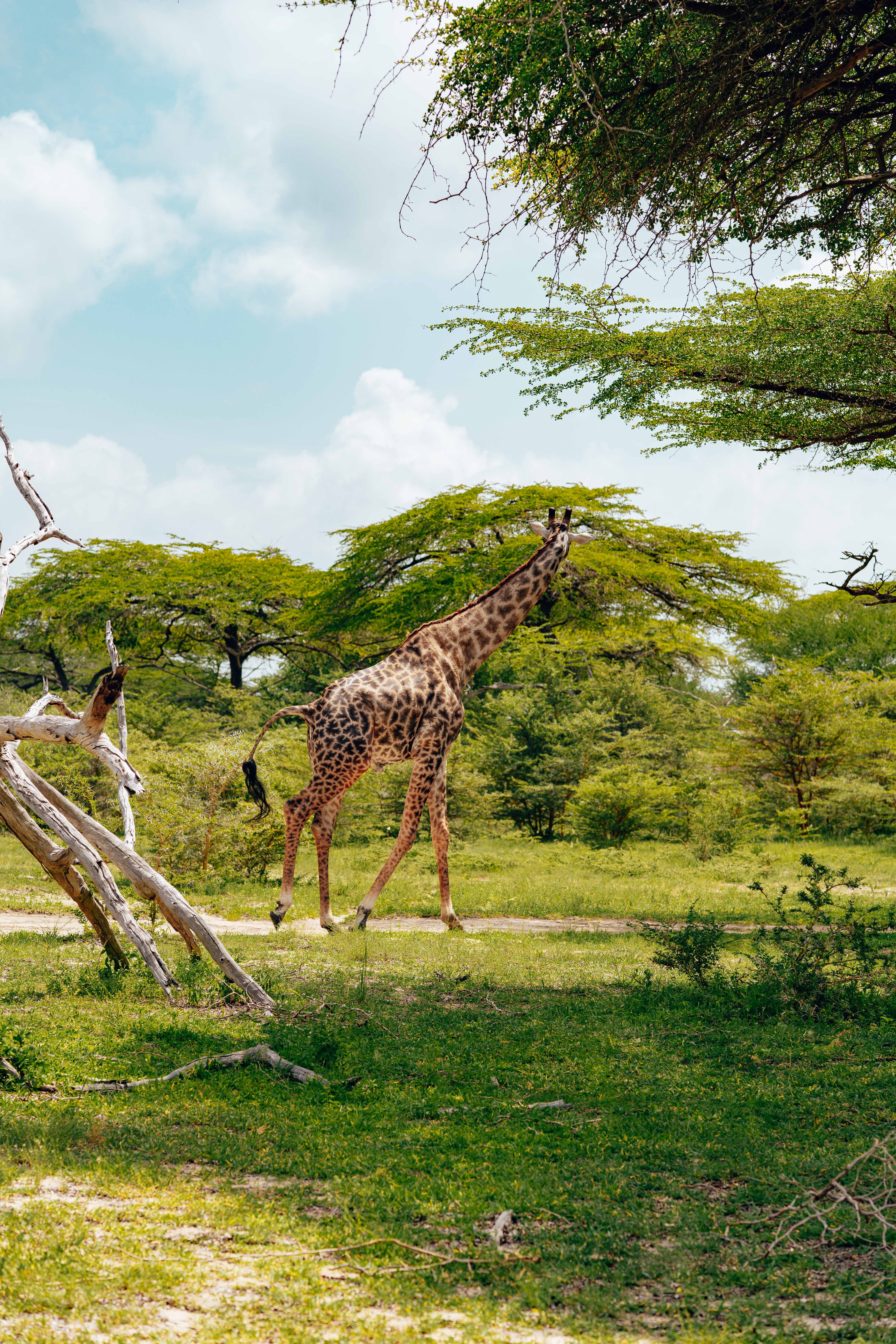
See Tarangire Through Our Lens

Season Guide

When to Visit Tarangire National Park

Tarangire transforms dramatically between seasons. The dry season brings extraordinary wildlife concentrations, while the green season offers quiet beauty.

June – October

Peak Dry Season

The Tarangire River becomes the only permanent water source, drawing enormous wildlife concentrations. This is the prime window for massive elephant herds, predator action and classic golden savannah light.

November – February

Short Rains & Calving

Scattered showers refresh the landscape into brilliant green. Wildlife spreads across the ecosystem but the scenery is beautiful. Excellent for birding, photographic green backdrops and fewer vehicles.

March – May

Green Season

The long rains bring the quietest period in Tarangire. The park is lush and beautiful, resident wildlife is still present, and the few travelers who visit enjoy a deeply private safari experience.

Beautiful Ways to Include Tarangire

Journey Idea 01

Tarangire, Crater & Serengeti

Start with two nights in Tarangire, then continue to Ngorongoro and the Serengeti. The classic northern Tanzania circuit with a beautiful, quiet beginning.

Plan This Route →
Journey Idea 02

Tarangire Family Safari

A family-friendly route starting in Tarangire with shorter drive times, child-friendly camps and gentle game viewing before continuing to family lodges near Ngorongoro.

Plan This Route →
Journey Idea 03

Tarangire & Lake Manyara Short Safari

A compact 4-night itinerary pairing Tarangire's elephants with Lake Manyara's tree-climbing lions and flamingo-filled lake views. Ideal for a shorter Tanzania trip.

Plan This Route →
FAQ

Tarangire Travel Questions, Answered

These are the questions we hear most often when building private Tarangire safaris.

When is the best time to visit Tarangire National Park?

The best time to visit Tarangire is June to October during the dry season, when the Tarangire River becomes the main water source and wildlife gathers in large numbers. Elephant sightings are spectacular during this period. The green season from November to May is quieter and very scenic with lush landscapes and excellent birding — a rewarding choice for travelers who prefer solitude over peak wildlife density.

What makes Tarangire different from other Tanzania parks?

Tarangire is famous for its massive elephant herds, ancient baobab trees and quieter safari atmosphere. Unlike the Serengeti's vast plains or Ngorongoro's enclosed crater, Tarangire has a more intimate, river-focused landscape with dense wildlife concentrations during the dry season. It is known as one of the best places in Africa to see large elephant family groups. The park also has a distinctive character — baobab-dotted skylines, swamp networks and a calmer pace than its more famous neighbours.

How many days do you need in Tarangire?

Most travelers spend 1 to 2 nights in Tarangire as part of a broader northern Tanzania safari circuit. Two nights allows for a full day of game viewing plus the option to explore quieter sections of the park and enjoy the camp or lodge atmosphere. Tarangire works particularly well as the first stop when arriving from Arusha or as the final stop before departure.

Can Tarangire be combined with other Tanzania parks?

Yes — Tarangire is a natural first or final stop on the classic northern Tanzania circuit. It pairs beautifully with Lake Manyara, Ngorongoro Crater and the Serengeti. Many itineraries start in Tarangire before heading west, or finish here before flying out of Arusha. It is also an excellent add-on for travelers who want a quieter park before or after the busier Serengeti and Ngorongoro.

Is Tarangire suitable for families with children?

Yes, Tarangire is excellent for families. The park's compact size means shorter game drives with less time in the vehicle, and the quieter atmosphere means children can enjoy wildlife viewing without the crowds found in larger parks. Several luxury camps in and around Tarangire offer family tents, swimming pools and child-friendly activities. The proximity to Arusha also means short, easy transfers.

Made around you

Begin Your Tarangire Safari

Tell us the season, pace and experiences you want from Tarangire and we will shape a private safari around them — matching you with the right camp, the right guide and the right position on your northern Tanzania route.

Send a Travel Inquiry