Ngorongoro Crater panoramic view from the rim with green caldera floor below
Ngorongoro Crater

Ngorongoro Crater Safaris, Big Five Game Drives & Rim-Top Lodges

Descend into the world's largest intact volcanic caldera for one of Africa's richest wildlife experiences. Luxury rim-top lodges, private game drives and Maasai cultural encounters in a setting that feels like a hidden natural world.

Ngorongoro Travel Guide

Why Ngorongoro Is a Beautiful World Inside a Crater


Ngorongoro Crater is one of those rare places where the destination itself is as powerful as the wildlife inside it. The moment you stand on the crater rim at sunrise and look down into the 260-square-kilometre caldera, you understand why this is a UNESCO World Heritage Site and one of Africa's Seven Natural Wonders.

Ngorongoro feels like stepping into a hidden natural world. The views from the crater rim are breathtaking, and the drive into the crater brings travelers close to wildlife, open grasslands, lakes, and unforgettable scenery. It is a wonderful choice for guests who want a short but powerful safari experience.

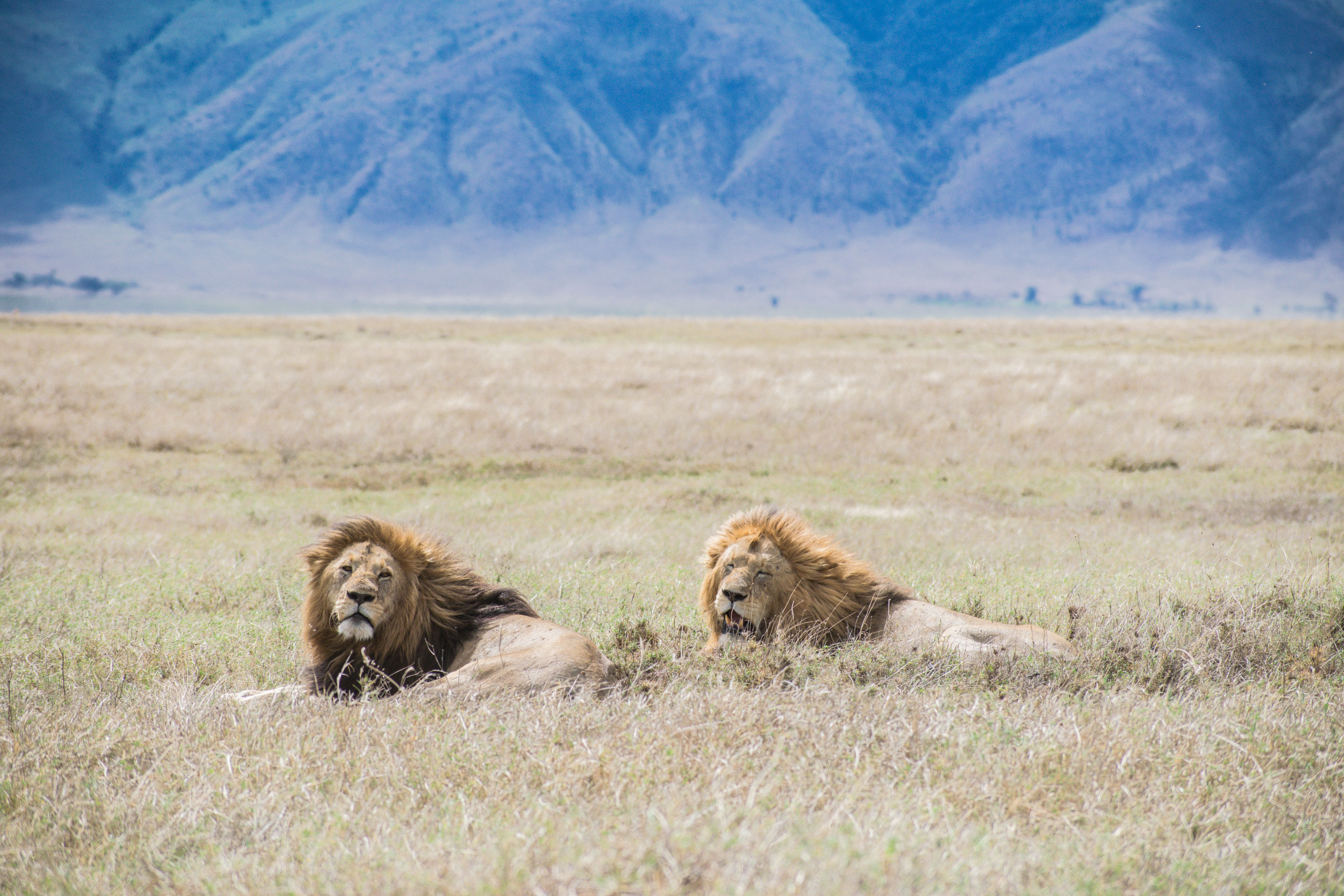
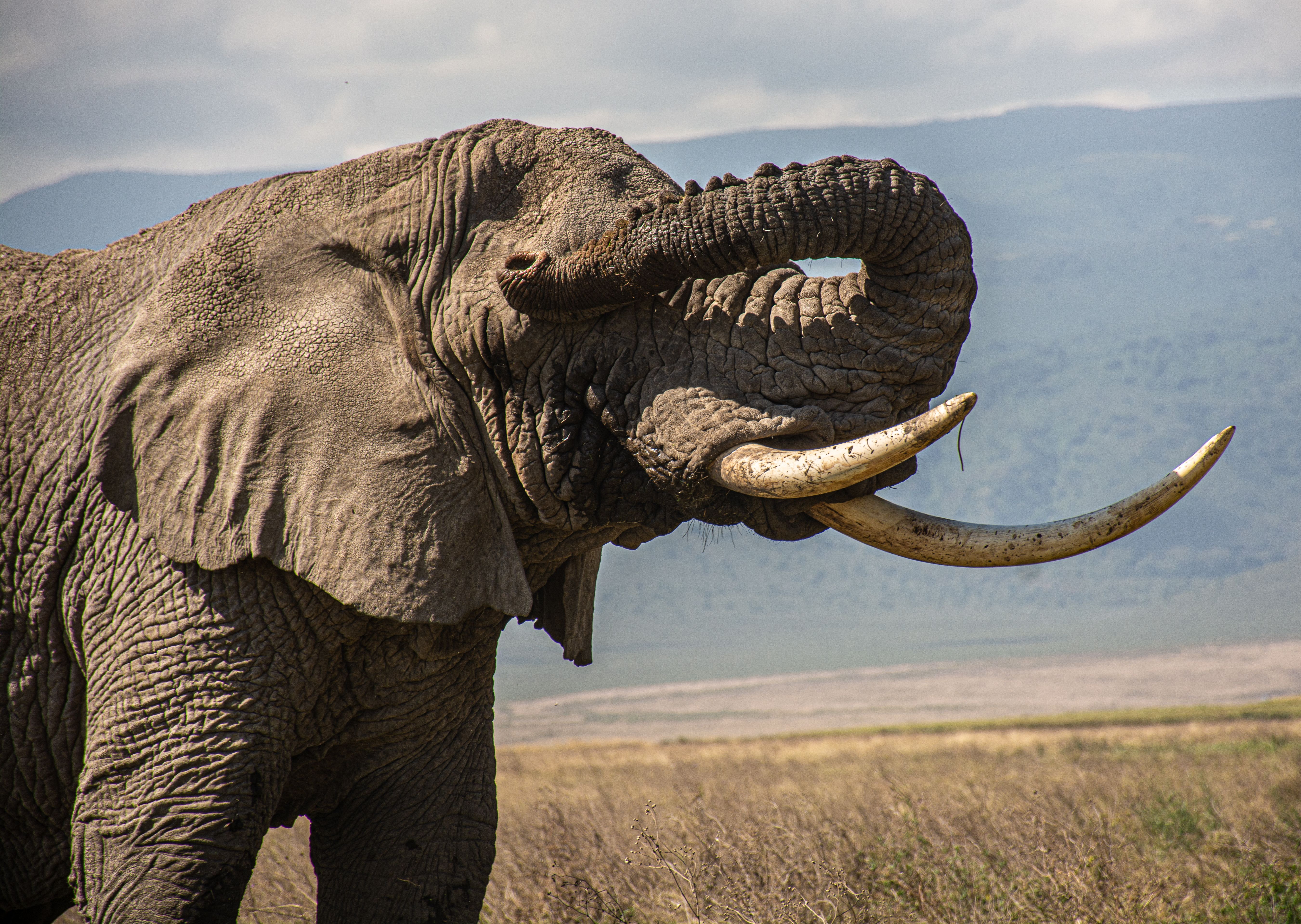
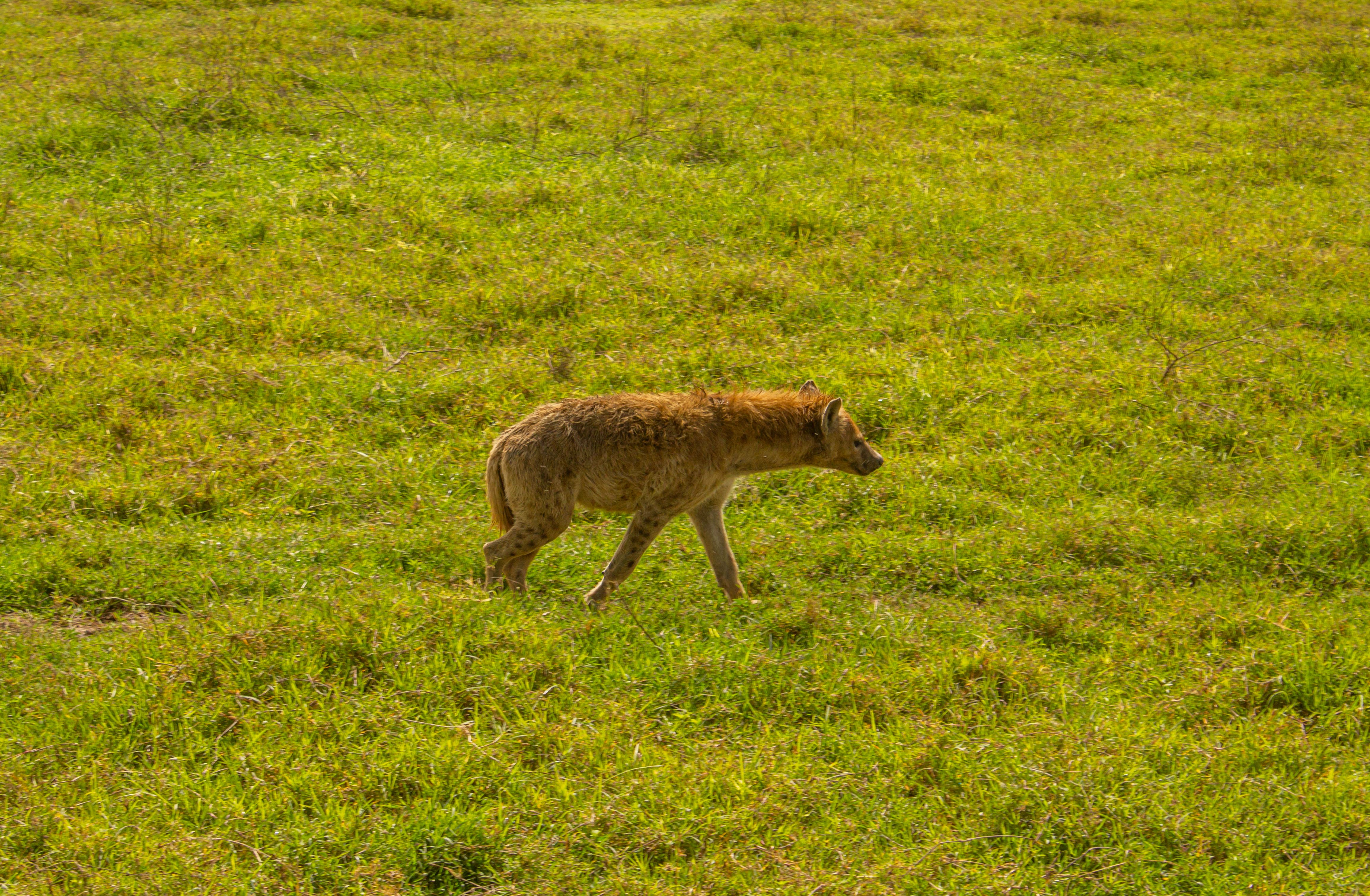
The crater floor is a self-contained ecosystem supporting an estimated 25,000 large animals. Permanent water sources in Lake Magadi and the Gorigor Swamp mean wildlife stays visible year-round. The Ngorongoro is one of the most reliable places in Africa to see the endangered black rhino, alongside large lion prides, spotted hyenas, elephants, buffaloes and flocks of flamingos that paint the soda lakes pink.

What makes Ngorongoro especially practical for travelers is its compact scale. A single full-day game drive can cover the crater floor thoroughly, making it a high-impact stop even on shorter Tanzania itineraries. And the lodges perched along the crater rim deliver some of the finest sunrise views in Africa — often with a warm drink in hand as the mist lifts to reveal the caldera below.

Quick Facts

Plan a Better Ngorongoro Trip

Use these essentials to understand how Ngorongoro fits your travel schedule and safari style.

Trip style

High-density game drives inside an ancient volcanic caldera with luxury rim-top lodge stays
Best for

First-time safari travelers, Big Five viewing, scenic photography, family safaris and short luxury stays

Best time to visit

Year-round destination. June to October for dry conditions. January to March for green scenery and fewer visitors.

Crater size

260 square kilometre caldera floor — the world's largest intact volcanic caldera, 610 metres deep

Wildlife density

Approximately 25,000 large animals including black rhino, lion, elephant, buffalo and leopard

UNESCO status

World Heritage Site since 1979. Part of the wider Ngorongoro Conservation Area protecting Maasai pastoralist heritage.

Why Travelers Choose Ngorongoro

Ngorongoro Safari Highlights

These are the main reasons travelers search for Ngorongoro and choose it for a tailor-made Tanzania itinerary.

  • See the Big Five in a single day within one of Africa's most dramatic natural settings.
  • Stay in luxury lodges perched on the crater rim with sweeping caldera views from your room.
  • Spot endangered black rhinos — the Ngorongoro is one of the best places in East Africa to see them.
  • Visit a Maasai village and learn about the pastoralist communities who have lived here for centuries.
  • Combine with the Serengeti, Tarangire and Lake Manyara on a classic northern Tanzania circuit.
  • Tour Olduvai Gorge, one of the world's most important paleoanthropological sites, nearby.
See the Crater Through Our Lens

Weather & Timing

When to Visit the Ngorongoro Crater

Ngorongoro is a year-round destination with permanent water on the crater floor, meaning wildlife stays visible in every season.

June – October

Dry Season Peak

The most popular window. Dry grass makes wildlife easier to spot, the crater roads are firm, and the rim views are crisp and clear. Book well ahead for lodge availability during this period.

November – December

Short Rains

Afternoon showers refresh the landscape into brilliant green. Fewer vehicles on the crater floor, beautiful photographic light, and excellent birding with migratory species arriving.

January – March

Green Season

Lush scenery, calving season on the plains, and dramatic skies. A quieter period with lower lodge rates and rewarding wildlife viewing — especially for predators following young prey.

Beautiful Ways to Include Ngorongoro

Journey Idea 01

Crater & Serengeti Safari

Two nights on the rim with a full crater day, followed by three nights in the central Serengeti. Tanzania's most popular safari combination done beautifully.

Plan This Route →
Journey Idea 02

Tarangire, Crater & Lake Manyara

A shorter circuit starting with Tarangire elephants, two nights at the crater rim, and a final scenic day at Lake Manyara. Ideal for a 5-6 day northern Tanzania safari.

Plan This Route →
Journey Idea 03

Ngorongoro Family Safari

Gentle pacing with child-friendly lodges, a Maasai village visit, and a relaxed crater game drive. Combine with Tarangire for easy transfers and varied scenery.

Plan This Route →
FAQ

Ngorongoro Travel Questions, Answered

These are the questions we hear most often when building private Ngorongoro safaris.

When is the best time to visit the Ngorongoro Crater?

Ngorongoro is a year-round destination thanks to permanent water on the crater floor. June to October offers the driest conditions and excellent game viewing. January to March is greener with fewer visitors and beautiful light. The crater is at its most photogenic after short rains in November and December when the landscape turns vivid green.

How many days do you need in Ngorongoro?

Most travelers spend 1 to 2 nights on the crater rim, with one full-day game drive on the crater floor. Two nights gives you a more relaxed pace with a full crater day plus time to enjoy the lodge, views and optional visits to nearby Olduvai Gorge or a Maasai village. Even a single night with a full crater day is a highly rewarding experience.

What wildlife lives in the Ngorongoro Crater?

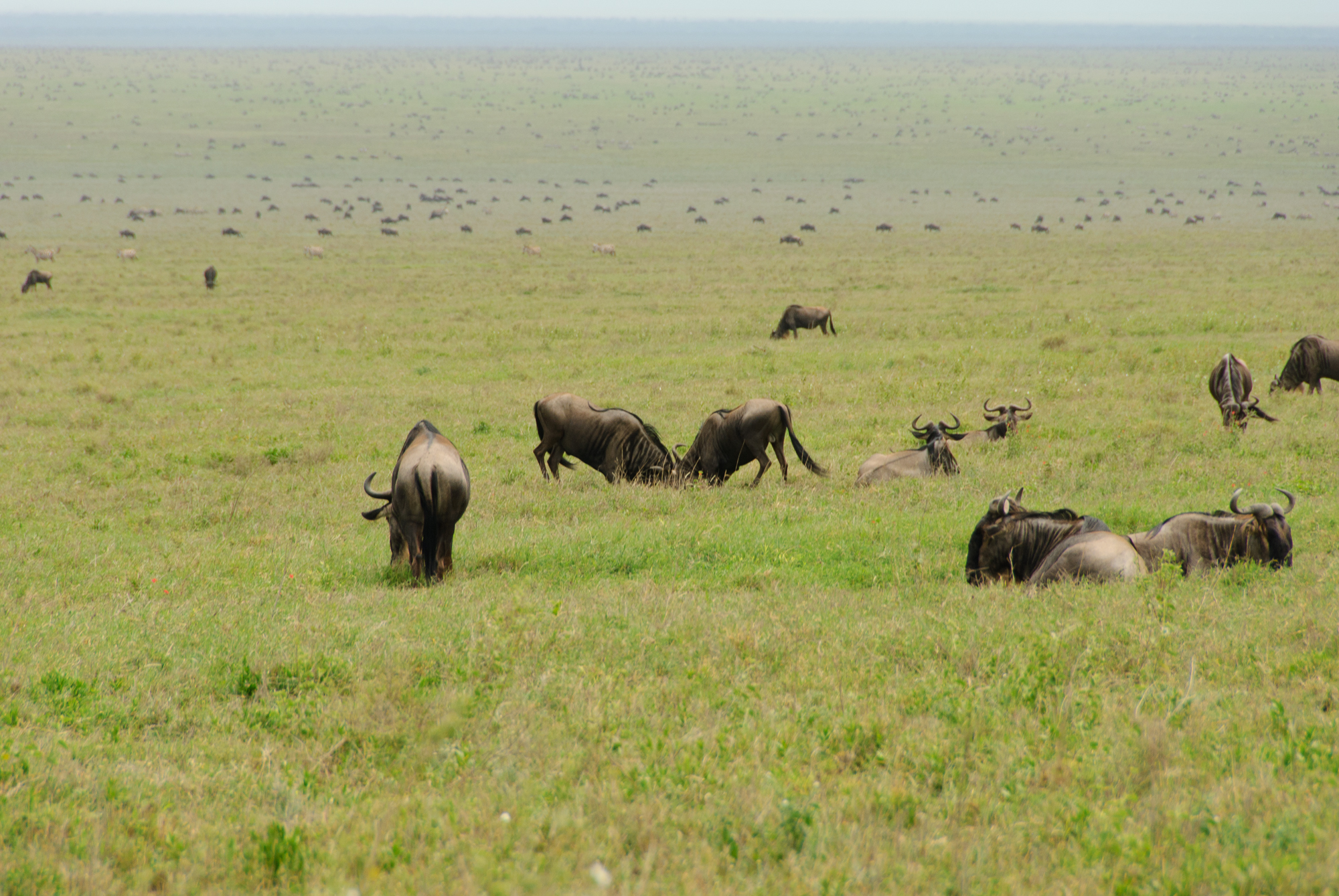
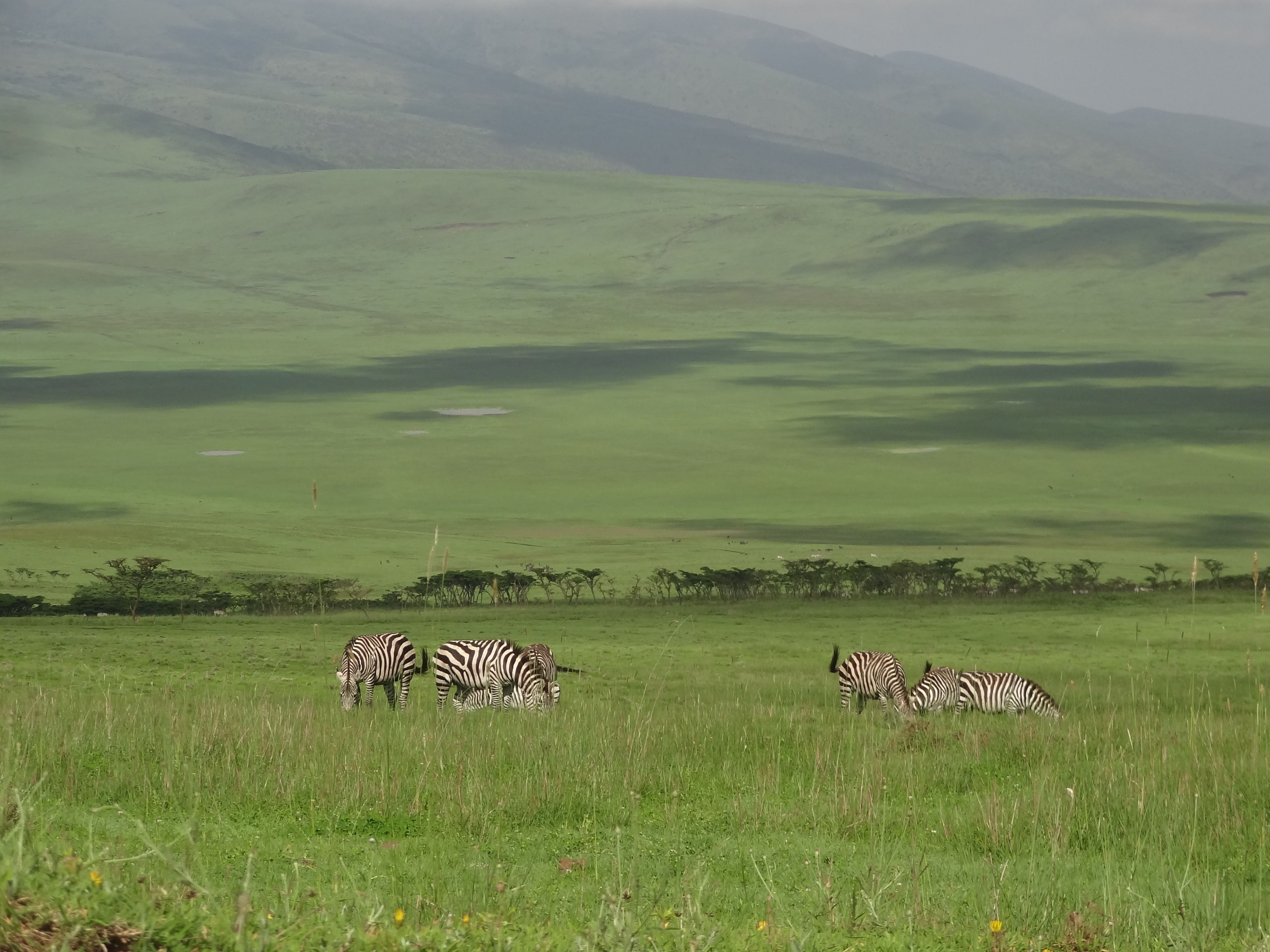
The crater floor is home to approximately 25,000 large animals including the Big Five — black rhinos, lions, elephants, buffaloes and leopards. It also hosts hippos in its lakes, large hyena clans, zebras, wildebeest, gazelles, flamingos and over 500 bird species. The high wildlife density in a compact setting makes for exceptionally rich game drives.

Why is the Ngorongoro Crater special compared to other safari parks?

The Ngorongoro Crater is the world's largest intact volcanic caldera, a UNESCO World Heritage Site and one of Africa's Seven Natural Wonders. Its enclosed ecosystem creates a naturally high-density wildlife viewing experience with dramatic scenery, making it one of the easiest places in Africa to see the Big Five in a single day. The views from the rim alone are worth the journey.

Is Ngorongoro suitable for families with children?

Yes, Ngorongoro is excellent for families. The compact crater floor means game drives are efficient without long transfers, and the lodges are well set up for children. Many lodges offer family suites, swimming pools and flexible dining. A visit to a Maasai village adds a cultural dimension that children often find fascinating.

Made around you

Begin Your Ngorongoro Safari

Tell us the season, pace and experiences you want in Ngorongoro and we will shape a private route around them — matching you with the right rim-top lodge, the right guide and the right timing to make the most of this extraordinary place.

Send a Travel Inquiry