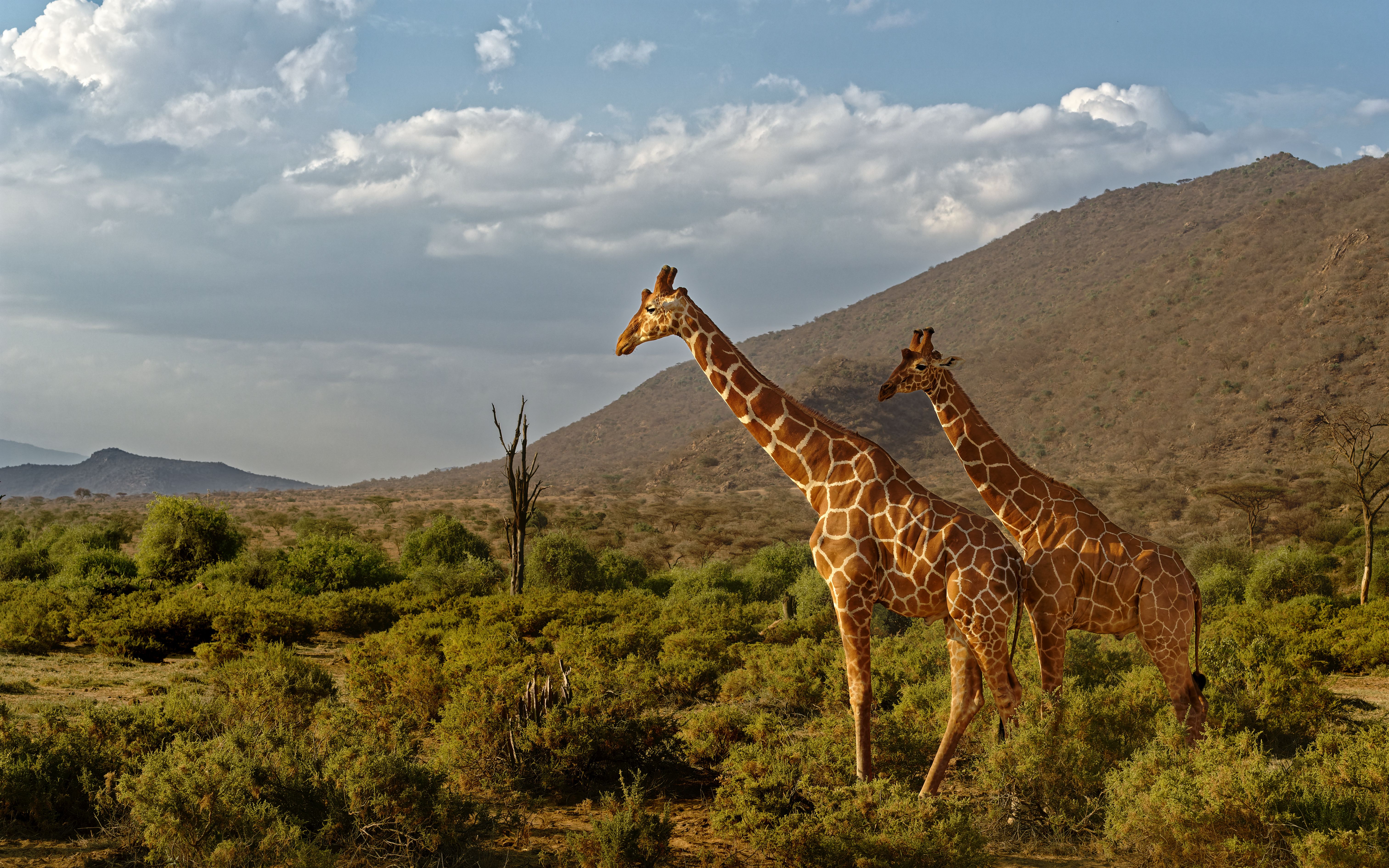
Samburu National Reserve landscape with reticulated giraffes and acacia trees along the Ewaso Nyiro River
Samburu National Reserve

Samburu Safaris, Rare Wildlife & Remote Northern Kenya

Discover Kenya's wild northern frontier — a landscape of rugged beauty, rare wildlife species found nowhere else in Kenya, and remote luxury camps along the palm-fringed Ewaso Nyiro River. Perfect for travelers who want a quieter, more distinctive safari far from the busier southern parks.

Samburu Travel Guide

Why Samburu Is Kenya's Most Distinctive Safari Destination


Samburu National Reserve sits in Kenya's arid northern frontier — a region of dramatic mountain backdrops, dry riverbeds lined with doum palms, and wildlife species adapted to a harsher, more beautiful landscape. It feels genuinely remote, significantly quieter than the Maasai Mara, and rewards travelers with wildlife encounters that feel earned and personal.

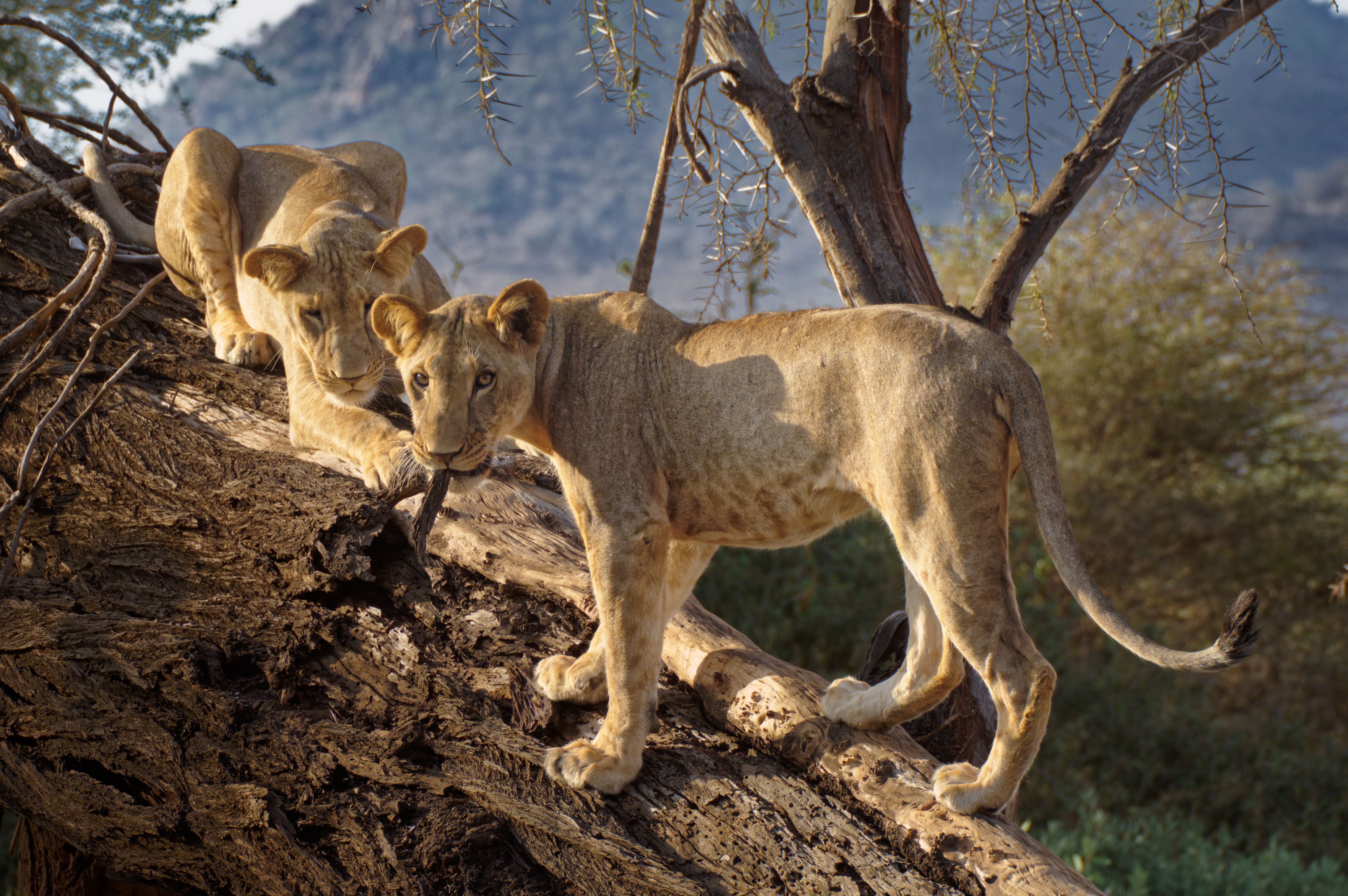
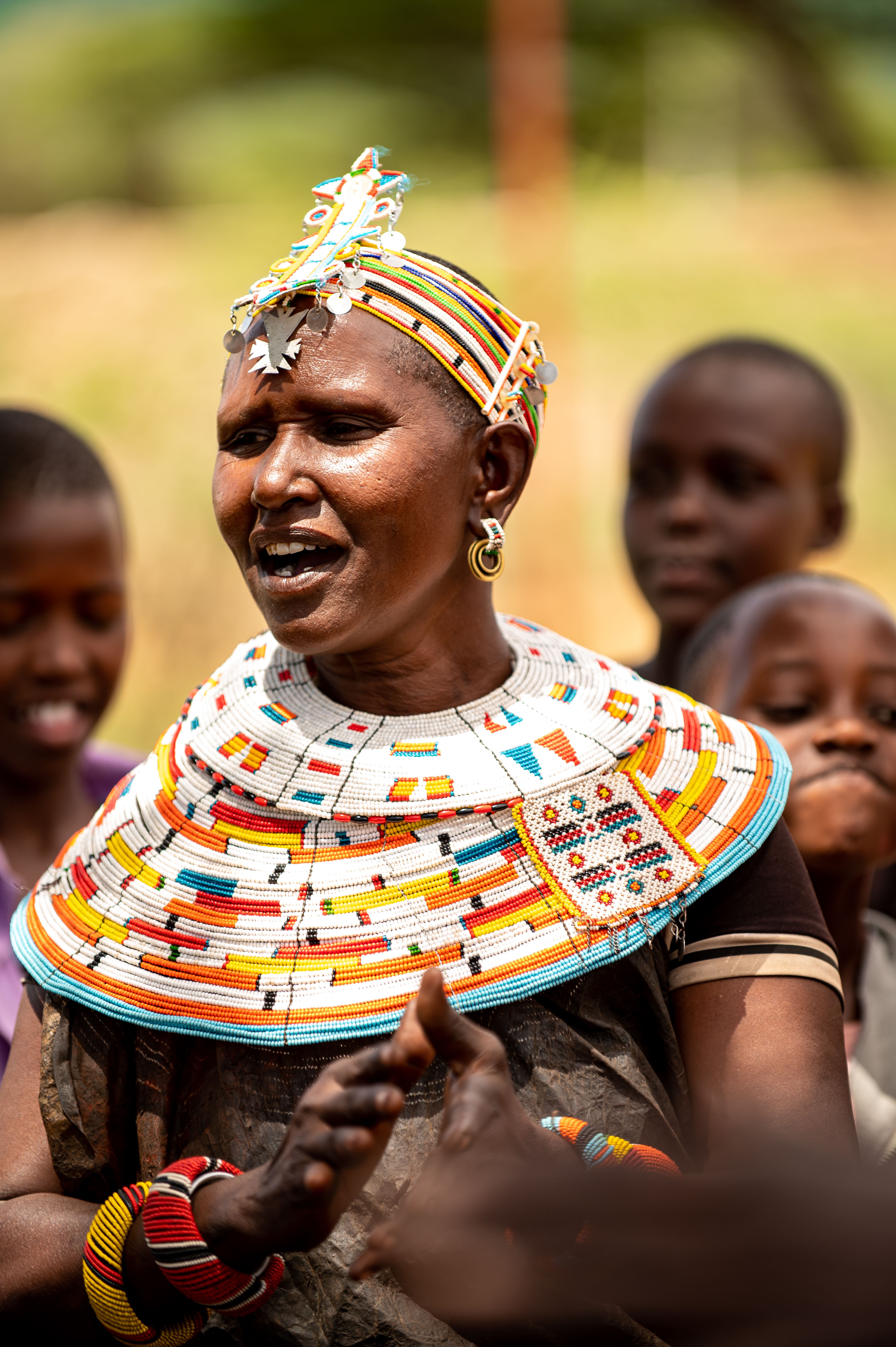
Samburu gives travelers a different side of Kenya. The landscapes feel rugged, warm and deeply beautiful, with unique wildlife, river scenery and a strong cultural identity rooted in the Samburu people — semi-nomadic pastoralists who have moved with their livestock across these lands for centuries and share a cultural kinship with the Maasai to the south.

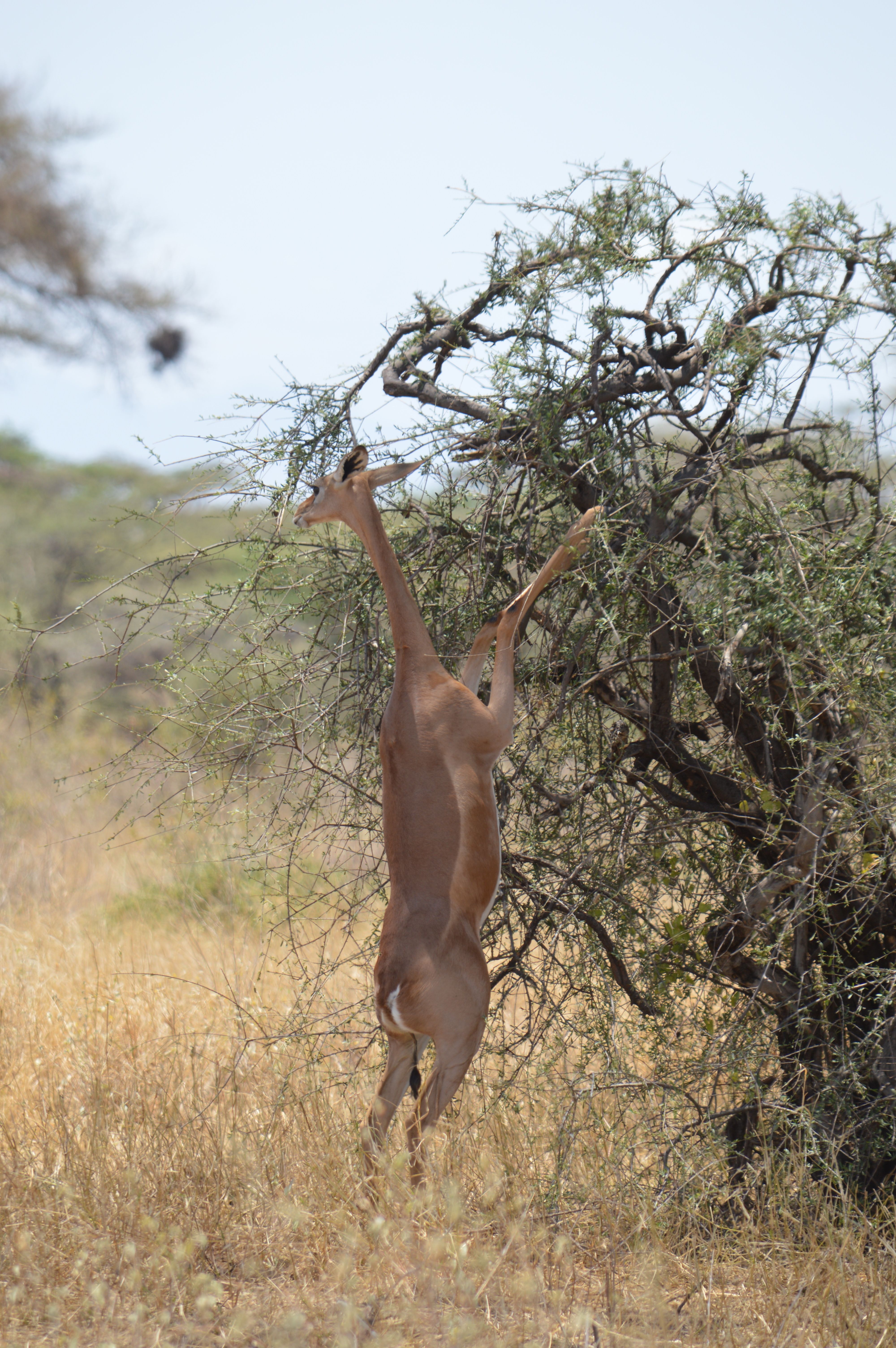
The reserve is famous for the Samburu Special Five — Grevy's zebra, reticulated giraffe, Somali ostrich, Beisa oryx and gerenuk — a collection of arid-adapted species found only north of the equator in Kenya. Seeing these rare animals alongside the more familiar elephants, lions, leopards and cheetahs gives Samburu a safari checklist all its own.

What makes Samburu especially rewarding is how powerfully it contrasts with southern Kenya's safari parks. Combine Samburu with the Maasai Mara or Amboseli on the same journey and you experience two radically different faces of Kenya — the lush savannahs of the south and the rugged semi-desert north — in a single, beautifully varied itinerary.
Quick Facts

Plan a Better Samburu Safari

Use these essentials to understand how Samburu fits your travel style and Kenya safari route.

Trip style

Remote luxury safari in Kenya's northern frontier with unique wildlife, river scenery and Samburu cultural encounters

Best for

Experienced safari travelers, photographers, culture enthusiasts and anyone seeking a quieter, more distinctive Kenya experience

Best time to visit

June to October for dry-season game viewing along the river. December to March for green scenery, birding and dramatic skies.

Reserve size

165 square kilometres of arid savannah and riverine forest along the Ewaso Nyiro River

Samburu Special Five

Grevy's zebra, reticulated giraffe, Somali ostrich, Beisa oryx and gerenuk — species found only north of the equator in Kenya

Cultural highlight

Engage with the Samburu people, semi-nomadic pastoralists whose way of life has shaped this landscape for centuries

Why Travelers Choose Samburu

Samburu Safari Highlights

These are the main reasons travelers search for Samburu and choose it for a tailor-made Kenya itinerary.

  • Track the Samburu Special Five — rare arid-adapted wildlife species found nowhere else in southern Kenya.
  • Experience a genuinely remote safari with far fewer vehicles than the Maasai Mara or Amboseli.
  • Game drive along the palm-fringed Ewaso Nyiro River, the lifeblood that draws wildlife from across the arid landscape.
  • Stay in intimate luxury camps with spectacular views of the surrounding mountains and plains.
  • Visit a Samburu village and learn about the pastoralist culture, traditions and daily life of this proud community.
  • Combine with the Maasai Mara for a rich safari contrast — arid north meets savannah south on one Kenya journey.

See Samburu Through Our Lens

Season Guide

When to Visit Samburu

Samburu's arid climate creates strong seasonal contrasts. Timing your visit around the dry season or green season changes both the landscape and the game viewing.

June – October

Dry Season Peak

The best window for classic game viewing. Wildlife concentrates dramatically along the Ewaso Nyiro River, making sightings frequent and rich. The landscape is arid and dusty with dramatic light for photography. Book camps well ahead for this popular period.

December – March

Green Season & Birding

Short rains transform the landscape into vivid green. Wildlife disperses slightly but remains visible along the river. Excellent for birding with migratory species arriving, dramatic skies for photography and fewer visitors at the camps compared to the dry season.

April – May & November

Rainy Season Quiet

The long rains can be heavy in Samburu and some camps close during April and May. November brings shorter showers. For travelers who do not mind rain, this period offers near-private game viewing, lush scenery and the lowest rates of the year at the camps that stay open.

FAQ

Samburu Travel Questions, Answered

These are the questions we hear most often when building private Samburu safaris.

When is the best time to visit Samburu National Reserve?

June to October and December to March are the best windows for Samburu. The dry months from June to October offer excellent game viewing as wildlife concentrates dramatically along the Ewaso Nyiro River. December to March brings greener scenery with dramatic skies and is particularly rewarding for birders and photographers seeking lush backdrops.

What makes Samburu different from the Maasai Mara or Amboseli?

Samburu offers a wilder, more remote safari experience in an arid northern landscape. It is home to the Samburu Special Five — Grevy's zebra, reticulated giraffe, Somali ostrich, Beisa oryx and gerenuk — species adapted to this dry ecosystem and found only north of the equator in Kenya. The reserve is significantly quieter than the Mara, with fewer vehicles and a more intimate safari atmosphere. The Samburu people also bring a distinctive cultural dimension different from the Maasai communities farther south.

How many days do you need in Samburu?

Most travelers spend 2 to 3 nights in Samburu as part of a wider Kenya safari. Two nights allows one full day of game drives and a cultural visit. Three nights gives a more relaxed pace with time to enjoy the remote camp atmosphere, take a guided nature walk and explore different sections of the reserve along the Ewaso Nyiro River at varied times of day.

What wildlife can you see in Samburu?

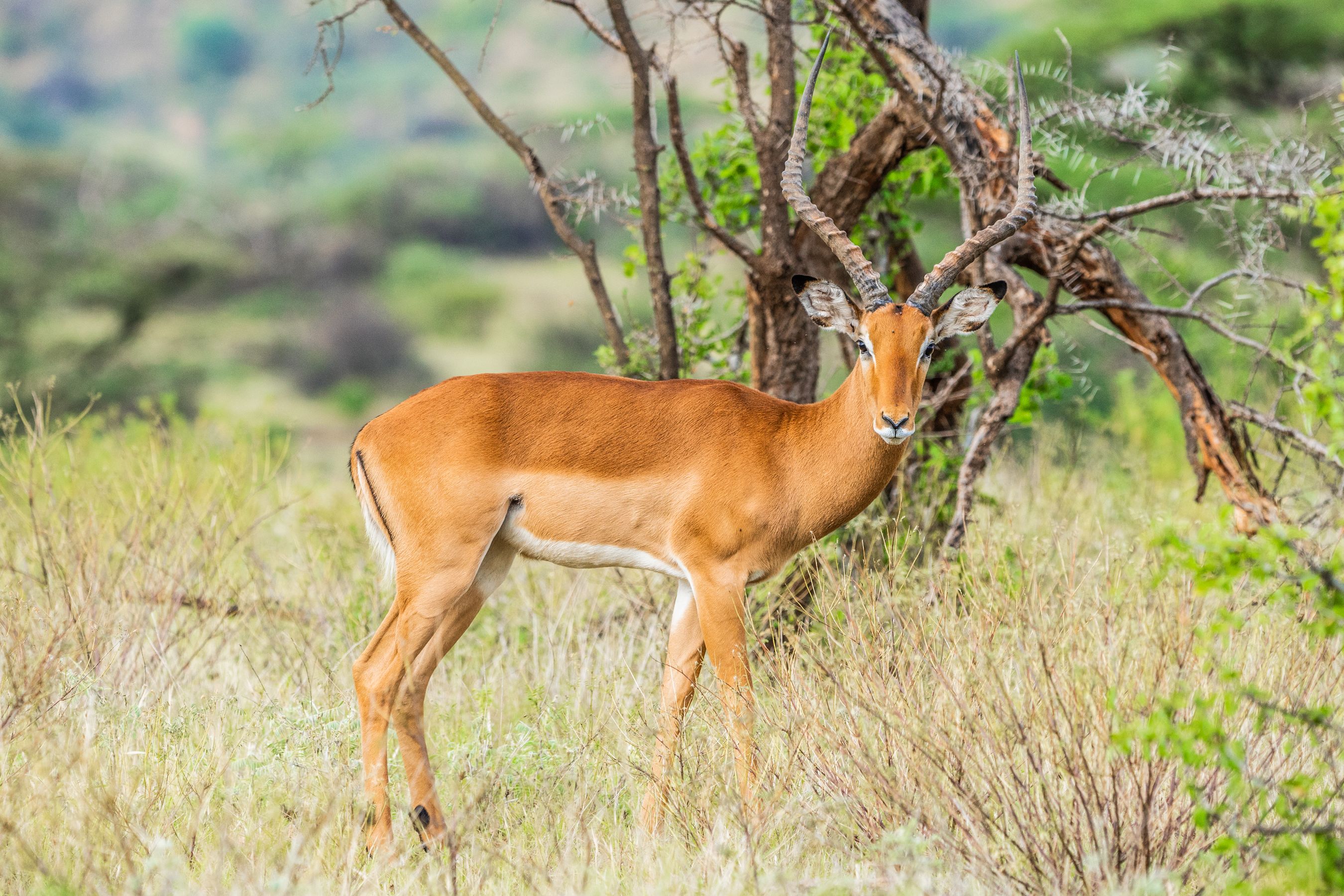
Samburu is famous for the Samburu Special Five — Grevy's zebra, reticulated giraffe, Somali ostrich, Beisa oryx and gerenuk. Beyond these rare species, the reserve hosts healthy populations of lions, leopards, cheetahs, elephants, buffaloes, hippos and crocodiles along the Ewaso Nyiro River, plus over 450 bird species including numerous raptors and dry-country specialists.

How does Samburu fit into a wider Kenya itinerary?

Samburu works beautifully as a contrasting northern addition to a Kenya safari that includes the Maasai Mara or Amboseli. A typical route might start with 2 to 3 nights in Samburu for the northern species and Samburu culture, then fly south to the Mara for migration and big cats. The contrast between Samburu's arid mountain landscapes and the Mara's lush savannah creates a rich, varied journey that shows travelers two very different faces of Kenya.

Made around you

Begin Your Samburu Safari

Tell us the season, pace and experiences you want in Samburu and we will shape a private route around them — matching you with the right remote camp, the right guide and the right window for this wild northern frontier.

Send a Travel Inquiry